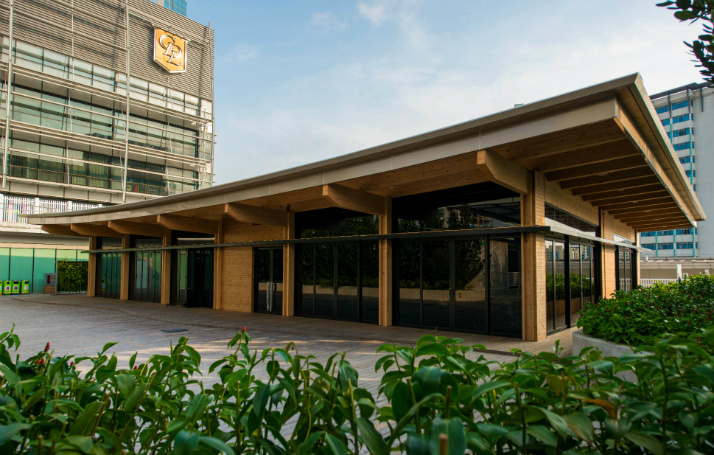
 CDL’s Singapore Sustainability Academy has a photovoltaic (PV) panel footprint of about 3,200 square feet and generates an annual energy yield of over 60,000 kWh, exceeding the building’s annual energy consumption.
CDL Among
First Buyers For
World's First
Blockchain-Powered
Trading Of
Renewable
Energy
Certificates
CITY Developments Limited (CDL) is among the first buyers for one of the world’s first blockchain-powered renewable energy certificate (REC) marketplace, launched by Singapore's SP Group at the ASEAN Energy Business Forum (AEBF).
The marketplace is designed and built in-house by SP Group, and enables local and international organisations, regardless of size, business or location in the world, to trade in RECs. The unique attributes of blockchain technology will ensure security, integrity and traceability of each REC transaction. This will drive the greater integration of renewable energy sources on the electricity grid.
When companies purchase RECs, they are consuming electricity from renewable sources, sold to them by other companies that produce green energy. With SP Group's blockchain-powered marketplace, buyers are automatically matched with sellers around the globe, according to their preferences. This helps big and small organisations to achieve their green targets and strengthens cross-border sustainability efforts with SP Group's international reach. It contributes to Singapore's low carbon targets, as part of its Paris COP-21 agreement.
CDL Chief Sustainability Officer Ms Esther An said, “As a green advocate for over two decades, CDL has always been committed to embracing technology and solutions that reduce environmental impact. Given that buildings consume 40% of energy globally, increasing the use of solar energy and neutralising our operations' carbon footprint has been a priority in the way we build and manage our projects. We are glad to support the innovative and timely initiative by SP Group to embrace blockchain technology as a platform to accelerate Singapore's transition to a low-carbon economy.”