getting to know you

(Photo credit: Shutterstock)
Millennium Hotels
Worldwide
Work Together
To Save Water,
Save The Planet

A look at MHR's water conservation plan.

Millennium Hotels and Resorts (MHR) has developed a Corporate Social Responsibility programme called “Responsible Hospitality”, a collection of policies and procedures to be a sustainable and environmentally friendly company. Seven specific areas have been identified as relevant to its hotels and the hospitality sector: Water, Waste, Laundry, Procurement, Energy and Greenhouse Gas (GHG) Emissions, Training and Engagement, and Supporting the Community.

MHR said, “The more our regional and hotel teams are educated about these initiatives, the more value they will be able to contribute to our local communities and other stakeholders. We therefore rely on our hotel General Managers to be the driving force in implementing such green initiatives.” MHR has more than 150 hotels in the world.

In this issue, we will look at MHR’s water conservation plan and how some of its global hotels are striving to preserve its water usage.


On average, 71% of our hotels have some form of water saving measure in place, however only 21% are measuring their water bill savings. We are therefore actively encouraging our colleagues to preserve water usage throughout our business, particularly where we operate in water stressed regions.

To reduce our water footprint, we continue to execute a series of water conservation strategies including investing in water efficient technologies, process improvements and reusing and recycling water. We target areas such as kitchens, laundry areas, gardens, spas and heating and cooling systems. We are retrofitting motion sensors and low flow fixtures in common areas, back of house areas and guestrooms.

Central to our water conservation plan is to increase the amount of water that we can recycle and reuse, using alternative methods to provide cooling to our chiller systems whilst maintaining high system efficiency. This is best implemented at the design stage or in conjunction with major system or property renovations.

Water usage on grounds

A key source of water usage in hotels is maintaining beautiful grounds, gardens and landscapes. There are many ways to save water without impacting the benefits of green space.

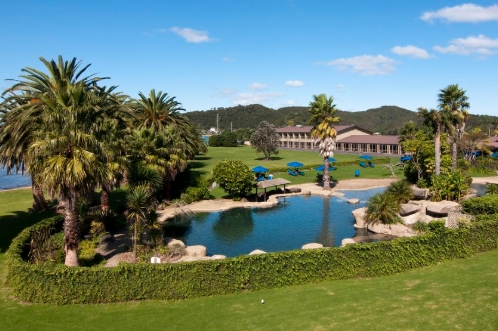
In New Zealand, Copthorne Hotel and Resort Bay of Islands uses groundwater and water collected from its greenhouse roof to irrigate landscaping and vegetable gardens at the hotel.

Millennium Rotorua has re-planted 80% of the gardens with native plants that require no watering during summer.

Landscaping with native plants not only significantly reduces your water consumption and bills – it also has large benefits for biodiversity, reduces the need for chemical fertilisers/pesticides, and lets guests experience the local flora.
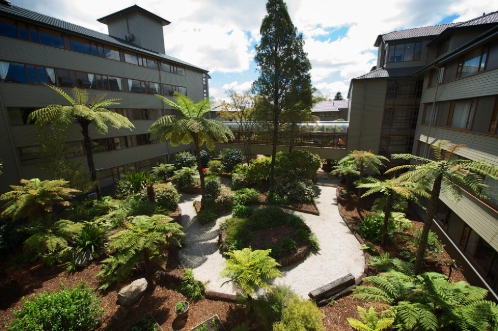
Millennium Rotorua (NZ) re-planted 80% of its gardens with native plants such as Ponga (a silver fern tree) and Harakeke (a type of flax plant), which do not require any watering during the summer months, helping to reduce water consumption.

Copthorne Hotel and Resort Bay of Islands (NZ) makes use of groundwater and water collected from its greenhouse roof to irrigate the landscaping and vegetable gardens at the hotel.

What else can we do?

  1. Simple water savings measures applied to taps, toilets and showerheads, water boilers. (e.g. water tap restrictors, dual flushing toilet cisterns.) 
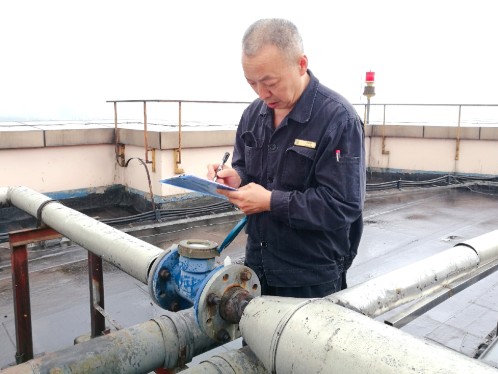
  2. Daily water meter readings recorded and inspected, leaks attended to immediately and repaired.
  3. Water treatment in swimming pools to optimise the quality of the water and minimise pool drainage.
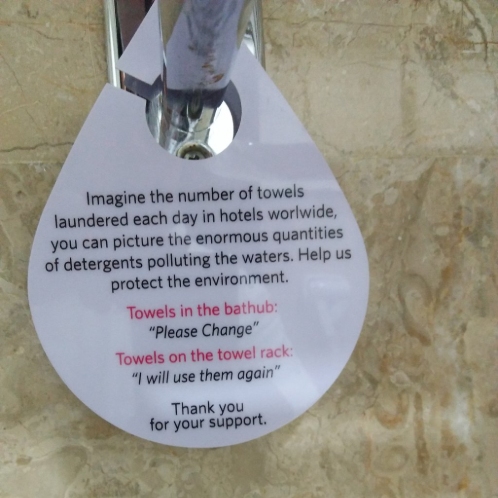
  4. Customer-appropriate signage to encourage guests to use less water in bathrooms and to reuse their towels and bed linens. 
  5. Harvest rainwater and recycle greywater. This can be used for plant irrigation and toilet cisterns respectively. 

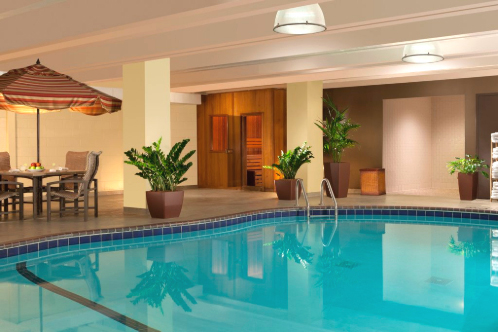
In addition to treating the water in its swimming pool, Millennium Minneapolis (US) also backwashes its swimming pool every two to three days instead of daily, which helps to cut down water consumption. (Backwashing is the process of thoroughly cleaning a swimming pool’s filter by reversing the flow of water.)

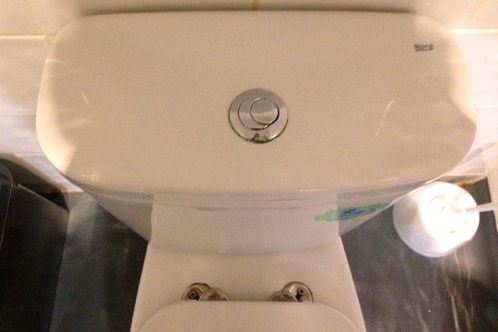
Chelsea Harbour Hotel (UK) implemented water saving measures throughout its hotel, which led to a savings of at least 5% on water bills each month. In addition to installing new water-efficient showerheads and tap restrictors, they also introduced dual flush toilets (pictured above) which allow users to choose between full or half flush.

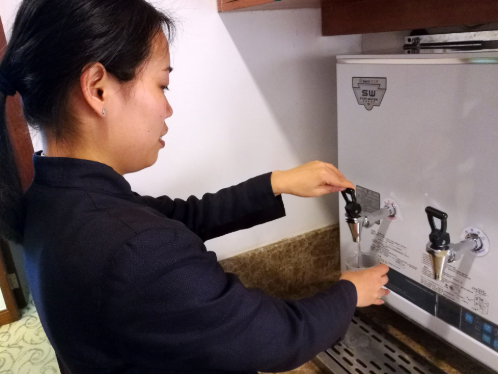
Millennium Chengdu (China) replaced all water boilers in its back-of-house with computerised dispensers, which prevents overflowing, dripping and leaking.

Millennium Chengdu also installed secondary and tertiary water meters in each area, to ensure that any water loss rate from the water supply pipe network is within a reasonable range under the local government's standards.

Millennium Sirih Jakarta (Indonesia) encourages guests to help play their part to save water, by opting not to have their towels changed daily.

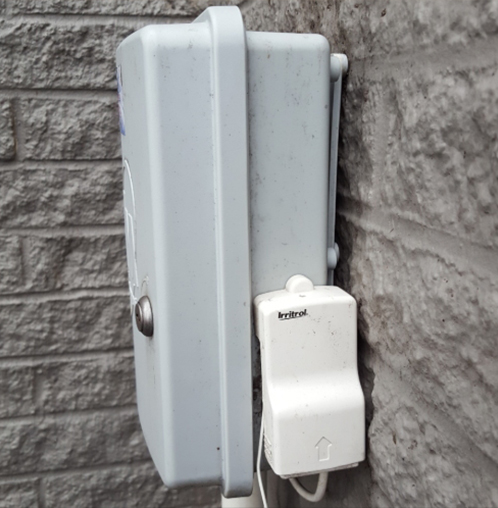
Millennium Buffalo (US) installed a rain monitor on its irrigation system (pictured above), such that in raining or freezing conditions, the irrigation system will not switch on, thus saving water.

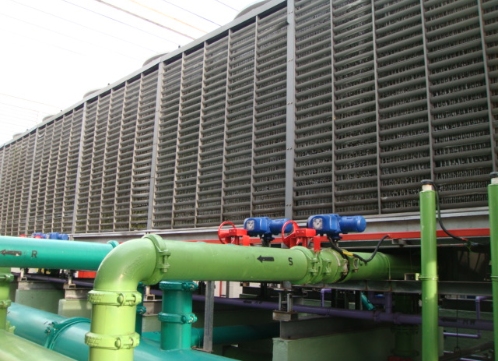
Grand Copthorne Waterfront (Singapore) makes use of NEWater for its cooling towers in the hotel. NEWater, which is produced by Singapore's Public Utilities Board, is treated wastewater that has been purified using microfiltration, reverse osmosis and ultraviolet technologies. In addition to using NEWater, its cooling tower is also equipped with features such as leak detection systems.

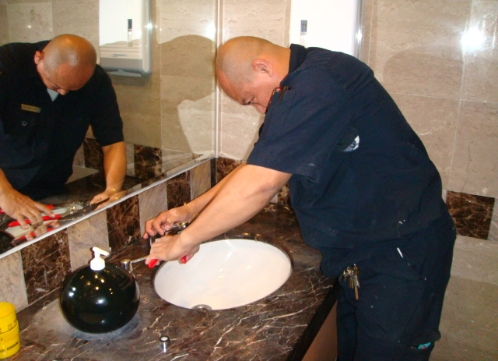
Grand Copthorne Waterfront also changed out its water fittings such as taps throughout the hotel, including guest rooms (pictured above), to ones that meet the Water Efficiency Labelling Scheme requirements by Singapore's Public Utilities Board.

For more information on MHR’s water conservation efforts, please contact hi-life@cdl.com.sg.

Back to Homepage