Ms Jess Baker is an Urban Beekeeper with Grand Millennium Auckland, New Zealand.
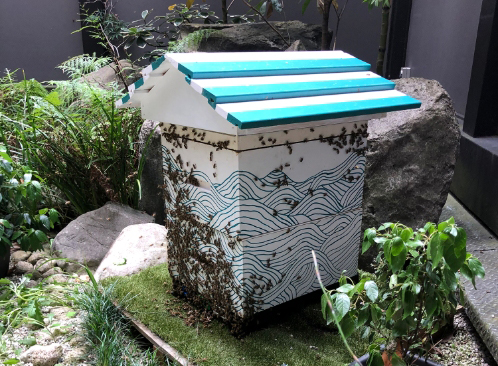
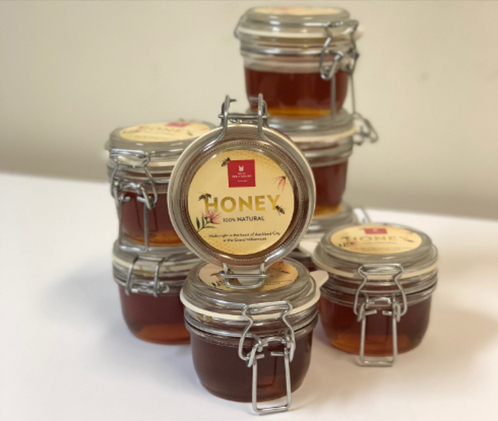
Joining the hotel in 2018, Jess takes care of the bees and beehives in the hotel’s garden. The honey harvested is available at the hotel’s buffet breakfast for guests, and is also packed in jars to give to special guests as a hotel gift.
She shares with us more about how she got into the world of beekeeping and some fun facts about bees.
 I first had an introduction to beekeeping in 2014, when I did a weekend course out of curiosity. I was a graphic designer then and was just looking for something fun to do.
A year later, my family and I were looking for a new flat, and we moved in with a beekeeper who had been beekeeping for 30 years! We had an urban backyard full of vegetables, fruit trees, chickens, and bees. My husband Luke and I spent most weekends in the garden with our beekeeping flatmate and his bees. We learnt so much and picked up hands-on experience with extracting honey and even requeening (a process where a new queen bee is introduced into the colony).
After that, I embarked on a mission to rescue bees from exterminators and rehome them. My husband and I started ‘Bees Up Top’ last year, which is dedicated to rehoming bee colonies across the city, and I’m really glad that Grand Millennium Auckland has been so supportive from the start. We house two beehives at the hotel, located in the gardens of Katsura Japanese Restaurant.
We do regular checks on the urban hives to make sure that the queen bees are laying eggs, that they have enough food and nutrients and are growing in numbers. We also make sure they do not have American foulbrood (AFB), a very infectious bee disease that destroys colonies